
COREIA DO SUL |
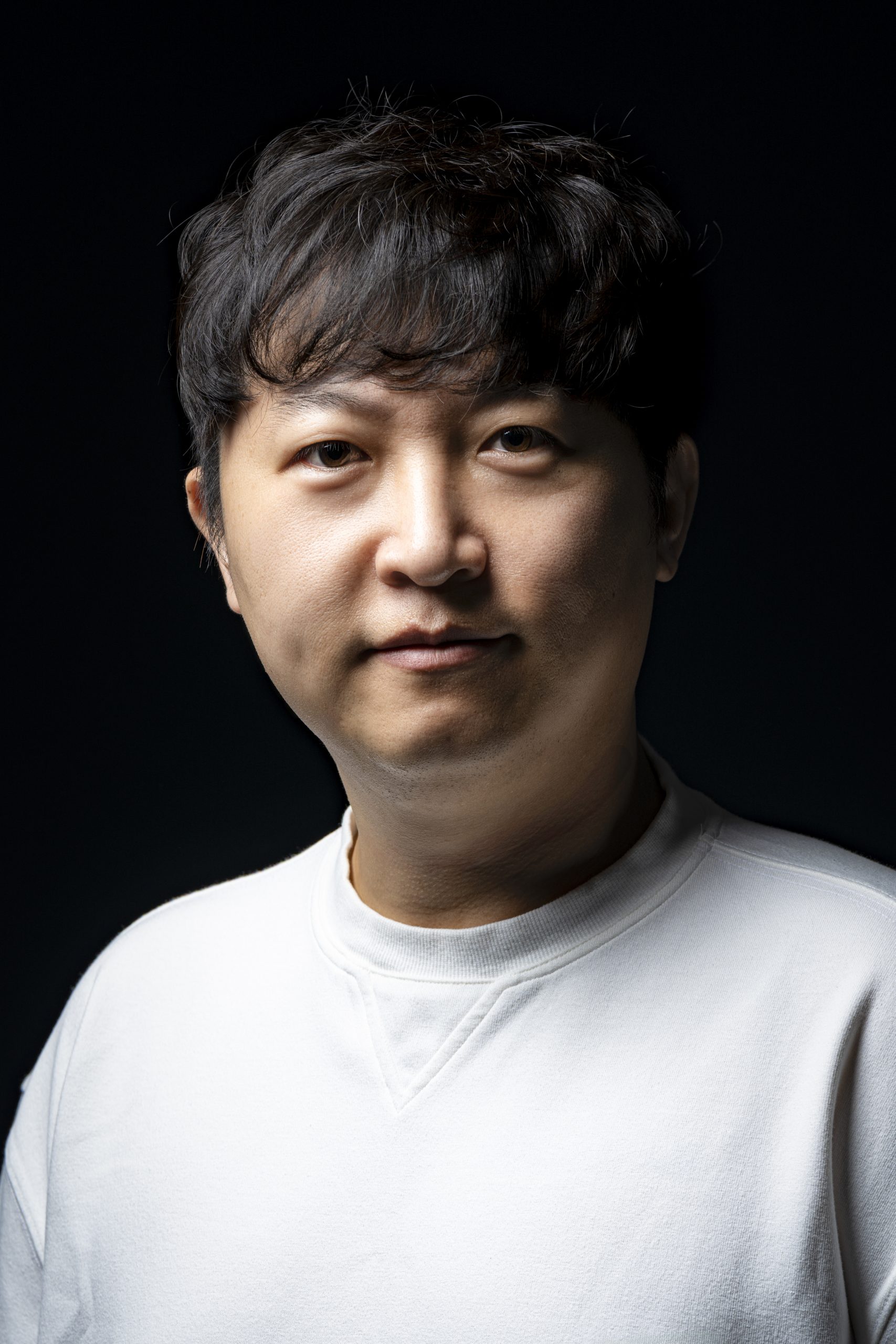
Fotógrafo de Seul, Coreia do Sul, explora as relações humanas através do retrato e da identidade cultural. Esteve envolvido em várias exposições na Coreia do Sul, em França e em Macau. O seu mais recente livro de fotografias, “Hanbok”, foi publicado em 2025 pela BurnBooks (EUA).
Seoul-based photographer, explores human relationships through portraiture and cultural identity. He has been involved in several exhibitions in South Korea, France and Macau SAR. His latest photobook, “Hanbok”, was published in 2025 by BurnBooks (USA).
EXPOSIÇÃO: HANBOK
© Manseok Ha
Nos últimos 80 anos, desde a libertação da Coreia, a cultura do vestuário do país sofreu uma rápida ocidentalização. O hanbok, outrora uma roupa diária que expressava visualmente o género, estado civil, classe e hierarquia social, desapareceu da vida quotidiana e é agora usado apenas ocasionalmente, em eventos cerimoniais como casamentos ou celebrações do primeiro aniversário. No entanto, desenrola-se diariamente no Palácio Gyeongbokgung uma cena irónica.
Neste local histórico — outrora símbolo da autoridade real — visitantes de todo o mundo percorrem agora o palácio vestidos de hanbok. Outrora um símbolo da identidade coletiva e da ordem social, o hanbok é agora usado por indivíduos de diversas nacionalidades, etnias e géneros. Nesta convergência desconhecida de tradição e globalização, de memória coletiva e presença individual, uso o flash da minha câmara para iluminar o mundo interior do Outro.
Em cada breve encontro, o sujeito e eu entramos no que chamo um espaço “inter-humano” — um terreno relacional entre uma pessoa e outra. Este momento transcende a documentação; torna-se um ato de reconhecimento mútuo, um envolvimento filosófico em que me confronto através do rosto do Outro.
Uso o hanbok como um limiar cultural e visual — situado na fronteira entre mim e o mundo — para explorar a identidade tanto no sujeito como em mim mesmo.
Manseok Há
Over the past 80 years since Korea’s liberation, the country’s clothing culture has undergone rapid westernization. Hanbok, once a daily attire that visually expressed gender, marital status, class, and social hierarchy, has retreated from everyday life and is now worn only occasionally for ceremonial events such as weddings or first-birthday celebrations. Yet an ironic scene unfolds daily at Gyeongbokgung Palace.
At this historic site—once a symbol of royal authority—visitors from across the world now walk the palace grounds dressed in hanbok. Once an emblem of collective identity and social order, hanbok is now worn by individuals of diverse nationalities, ethnicities, and genders. In this unfamiliar convergence of tradition and globalization, of collective memory and individual presence, I use the flash of my camera to illuminate the inner world of the Other.
Within each brief encounter, the subject and I enter what I call an “interhuman” space—a relational terrain between one person and another. This moment transcends documentation; it becomes an act of mutual recognition, a philosophical engagement in which I confront myself through the face of the Other.
I use hanbok as a cultural and visual threshold—situated at the boundary between myself and the world—to explore identity in both the subject and myself.
Manseok Ha